Decades of refinement have made it a well-understood operation. As with any surgery, complications can occur and individual risk varies. Many patients recover without a major complication, but complications can include hematoma, infection, wound-healing problems, nerve injury, scarring, anesthesia-related events, and other uncommon but potentially serious events.
The numbers back this up. A facelift is one of the more reliable facial procedures, and serious problems are uncommon. The largest outcomes analysis of facelift patients, covering more than 13,000 cases, reported adverse events in about 5 percent. Most complications that do happen are minor and treatable.
Knowing the real risks is not meant to scare you out of a decision. It is meant to help you make a calm, informed one. That is a value Dr. Stephen Prendiville holds closely. He has said he would never have a procedure done himself without first understanding its risks, benefits, and long-term outcomes. At Prendiville Facial Plastic Surgery in Fort Myers, FL, that same honesty shapes every consultation.
This guide walks through the real complications of a facelift, what raises your personal risk, how an experienced surgeon keeps that risk low, and how you can recover safely. By the end, you should feel informed, not frightened.
Every surgery carries some risk, and a facelift is no exception. The good news is that the serious ones are rare, and most issues are minor and well understood. Knowing them by name takes away a lot of the fear. Here are the main complications, what they are, and how they are usually managed.
How likely any of these is for you is not something an article can answer. It depends on your anatomy, your health and the technique used, and the best way to understand your own risk is to talk it through directly with Dr. Prendiville, who can explain his techniques and his own experience and complication history with them.
A hematoma is a pocket of blood that collects under the skin. It is the most common complication, occurring in about 1 to 3 percent of cases in a database analysis of 11,300 facelift patients. It is often triggered by a spike in blood pressure or by straining after surgery. Most are caught early, but a hematoma needs prompt evaluation and in some cases has to be drained surgically.
Nerve concerns worry people the most, so it helps to be precise. Temporary weakness in a facial muscle, called neuropraxia, is uncommon and usually recovers on its own. Permanent motor nerve damage is exceptionally rare, occurring in less than 0.1 percent of cases, according to a pooled analysis of 67 studies and more than 15,000 facelift patients.
Poor wound healing and skin loss, called necrosis, are usually tied to reduced blood flow. Smoking is the biggest driver. One reference cites a 1984 study reporting skin loss in 7.5 percent of smokers compared with 2.7 percent of non-smokers. We will come back to why that matters so much.
Scars worry people too, but the face heals unusually well. It has rich blood supply and natural structures, like oil glands and hair follicles, that help it heal fast. A skilled surgeon also tucks the incisions into natural folds around the ear and hairline. Abnormal scarring is uncommon, though raised or keloid scars can occur and are more likely in people prone to them.
A few other risks round out the picture. A seroma, a pocket of clear fluid, can collect under the skin and is usually drained in the office. Temporary hair shedding near the incisions can happen and usually reverses within a few months. Anesthesia carries its own risks, and the choice of anesthetic is made individually by your surgeon and the anesthesia team. As for pain, most patients describe tightness rather than sharp pain. Swelling and bruising peak around days three and four, then settle over two to three weeks. Numbness fades more slowly. Most sensation returns within three to six months.
Here is the part many people miss. Most of your risk is personal, and a lot of it is something you can change. Your health and your habits shape how safely you heal, which is why an honest conversation before surgery matters so much.
Smoking is the single biggest modifiable risk. Nicotine narrows the small blood vessels that feed healing skin, which starves the tissue of oxygen. One review of facial procedures found smoking linked to complication risks ranging from about 2-fold to 12-fold higher. Surgeons generally ask patients to stop all nicotine, including vapes, for at least 4 to 8 weeks before surgery.
Uncontrolled high blood pressure is the next big one. It is the leading driver of hematoma, because high pressure stresses the fragile vessels in a freshly operated area. Keeping blood pressure well controlled before and after surgery is an important safeguard, and your surgical team will set the target that is right for you. Chronic conditions matter too. Diabetes can slow healing and is linked to a higher risk of bleeding complications after surgery.
Certain medications and supplements thin the blood and raise bleeding risk. Common ones include aspirin, anti-inflammatories, fish oil, vitamin E, and the "three Gs" of ginkgo, garlic, and ginseng. Follow Dr. Prendiville's instructions about which medications and supplements to pause and when. Do not stop anything you have been prescribed on your own. Men also carry a higher hematoma risk than women. One database study notes a risk nearly four times higher. The blood-rich skin that grows facial hair simply bleeds more readily.
The most powerful safeguard, though, is simple honesty. Dr. Prendiville teaches that not everyone is the right candidate at the right time. General health, the right reasons, and readiness all factor in. When you share your full health history, your surgeon can screen you properly. He can adjust the anesthesia plan and manage your blood pressure before a single incision is made. He also asks patients to prepare, and goes through what that looks like with each person, typically easing off alcohol before surgery, eating well, and taking it easy.
If you are weighing whether your own health makes a facelift safe, that is exactly what a consultation is for. You can request a private consultation, in person or virtually, to review your candidacy and health history honestly before deciding anything.
If there is one message to take from this guide, it is this. The biggest safety factor in any facelift is who performs it and how. The right surgeon and technique do more to lower your risk than anything else.
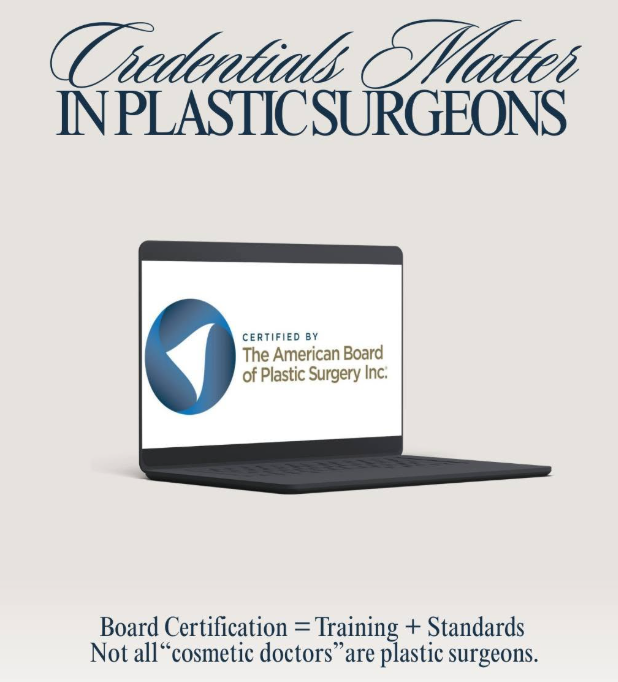
Choosing a board-certified facial plastic surgeon is the foundation. Training, certification and an accredited surgical facility are closely tied to patient safety, and serious complications in accredited settings are rare. You can check a surgeon's board certification before you book.
During surgery, the focus is on preventing bleeding, the root of most complications. Surgeons keep blood pressure in a steady, moderate range rather than letting it spike or drop too low. They also use tools that close off space where fluid could collect. A fibrin sealant, a kind of surgical glue, cut hematoma rates from 3.4 percent to 0.45 percent in one study of deep plane facelifts. Tranexamic acid, a medicine that helps blood clot, cut first-day drain output by more than 70 percent in a retrospective study.
Technique matters too. A meticulous, facial-only approach like the deep plane facelift works in the natural layers beneath the skin, around the facial nerves. A surgical reference reports facial nerve injury in under 1 percent of deep plane cases, with permanent injury extremely uncommon.
Dr. Prendiville describes his own technique on video: he lifts and repositions the deeper support layer of the face, so the skin can be closed without tension. Closing without tension is intended to support better healing and well-hidden scars. As Dr. Prendiville performs it, a deep plane facelift also includes a deep neck lift. That means removing fat beneath the platysma muscle and reducing the bulk of the anterior digastric muscles and the submandibular glands. It is not necessary for every patient, but it is commonly done, and it greatly improves the neck result.
Two more things set a safe practice apart. The first is single-surgeon care. Dr. Prendiville personally performs every procedure himself. That avoids the handoffs and variability that can come with multiple providers. The second is knowing the warning signs. He shares clear red flags to watch for. Be wary of a surgeon who cannot explain your risks and recovery. A rushed consultation is another. So is a provider who sells you before they have listened. As he puts it, a good provider educates first and treats second.
Marie, a Prendiville Facial Plastic Surgery patient who valued an honest, no-pressure consultation, shared her experience:
"Dr Prendiville and his staff are top notch. I had an excellent, flawless surgical experience. I felt comfortable from the first consultation with him. He's honest and personalized his recommendations. I never felt pressured by him or his staff. They are very experienced with facial surgery."
You can learn more about his approach on the Prendiville Signature Lift page, his deep plane facelift technique.
Safe healing is a partnership. Your surgeon does the careful work in the operating room, and your habits at home carry it the rest of the way. The good news is that the steps are simple and make a real difference.
Keeping your head elevated, around 30 to 45 degrees, is one of the most important. Gravity helps drain fluid away from your face and reduces swelling, especially in the first couple of weeks. Just as important is balancing rest with gentle movement. You should avoid strenuous activity and heavy lifting, which can reopen a wound or trigger bleeding. At the same time, short, gentle walks keep your circulation moving and help prevent blood clots in the legs.
Caring for your incisions protects both healing and your scars. Leave any dressings undisturbed for about the first week, and keep the area clean. Once everything is closed, medical-grade silicone gel is a proven way to soften scars. Dr. Prendiville explains on video that any drains usually come out around 48 hours. Travel plans are worth going over with him before surgery. He prefers out-of-town patients to stay nearby for a week or two, and to avoid sitting still for too long in the first few days.
Knowing the warning signs is part of healing safely. Call your surgeon right away if you notice any of these:
Pain itself is usually mild. Ice in the first few days and prescribed medication handle most of it. He also points to something quieter that helps: a positive mindset and good preparation. He compares the downtime to a long flight you accept on the way to a place you want to go. For patients traveling from out of state, a concierge recovery program offers virtual follow-ups and local nursing support, so distance never means healing alone. You can read more on the out-of-town patients page.
Megan, a Prendiville Facial Plastic Surgery patient who felt cared for through recovery, shared her experience:
"Everyone made me feel comfortable, and cared for. My surgery day was a breeze. Cindy calmed my nerves, and kept me comfortable pre, and post-op."
If you came here worried that a facelift might be dangerous, you can take a fuller breath now. The risks are real, but they are uncommon, and most are minor and treatable. The two biggest safety factors are within reach: an honest patient who shares their full history, and an experienced, board-certified surgeon who performs the surgery personally.
When you are ready, a good next step is simply to ask questions. A safety-focused consultation is your chance to learn your own risks, hear how your surgeon manages bleeding and protects the nerves, and confirm who will actually perform your procedure. You can see real results and the deep plane technique behind them, then talk through what is right for you.
Dr. Prendiville and his team in Fort Myers, Florida welcome you to request a private consultation, in person or virtually, whenever you feel ready. There is no pressure and no rush, only honest guidance toward a result that still looks like you, only refreshed. You can reach the practice through the contact page or by phone at 239-437-3900.
Deborah, a Prendiville Facial Plastic Surgery patient who felt nervous before her procedure, shared her experience:
"I was nervous about getting such a major surgical procedure but after meeting Dr Prendiville and his staff I felt so much more at ease and excited."
The main signs are rapid, uneven swelling on one side of the face, pain that feels worse than expected, and a firm or hard area to the touch. If you notice these, call your surgeon right away, since early treatment is straightforward.
Surgeons generally ask patients to stop all nicotine, including cigarettes and vapes, for at least 4 to 8 weeks before surgery. Nicotine narrows the blood vessels that healing skin depends on, which sharply raises the risk of poor healing.
A seroma is a pocket of clear fluid that can collect under the skin after surgery. It is usually managed with gentle compression and, if needed, drained with a fine needle in the office. Most resolve without any trouble.
Men do have a higher risk of hematoma. One database analysis of 11,300 facelift patients put the relative risk at about four times that of women. The reason is that the blood-rich skin that grows facial hair tends to bleed more. An experienced surgeon plans for this with careful bleeding control.
It is very rare. Permanent motor nerve damage occurs in less than 0.1 percent of facelift patients. Temporary weakness is more common but almost always recovers on its own over weeks to months, especially with a careful, facial-only technique.
Permanent hair loss at the incisions is rare and is usually prevented with careful incision technique. Temporary shedding is more common and typically grows back within three to six months.
Disclaimer: This article is for educational purposes only and is not medical advice. Individual results vary and are not guaranteed. Consult a qualified, board-certified facial plastic surgeon to determine the treatment that is right for you.

